Saturday, June 17, 2023

Survival 2001, By Henry E. Voegeli and John J. Tarrant.

 Hey All,

    Found a Solarpunk Book in the back of a weird antique shop in Herman Mo. I can't find any copies of it online or anyone who's ever heard of it, so I'm uploading it for the world to see. If the original authors ask me to take it down, that's fine but I ask that you make some version of it available to the masses. Even if it's just an ebook link through amazon.

Here's the Link.

    This book is full of designs for building a world that's more sustainable, and notably living with less oil. While I don't think every idea in this book is doable, or thought out (damming the bearing straight) there are so many interesting ideas I've found inside it that it seems like a crime not to let anyone see it.


Here's the Introduction by the way.

    By the late 1970s it seemed to many people that the earth was dying; or at least that part that had been favored by fortune- the United States of America.

    As we look back from the vantage point of the first decade of the twenty first century, it's not easy for us to realize this. It is particularly difficult for young people. They have read and heard the reminiscences; but these seem almost as wildly exaggerated as the tales of senseless wars like the 30-year Indochina conflict, the "limited" struggles along the USSR-China frontier in the 1980s or the "lightning incursion" that took place in central Europe in 1992.

    It is hard for us to understand the way it was then- the way the way people thought and acted, the motivation that gave rise to actions that now seem incredible to us. Nethertheless, it is true that many people thought that the earth was dying then, choking on it's own affluence and it's own effluents. And there was considerable basis for those fears. What was then called the 'ecology' - a term describing the relationship between water, air, soil, flora, and fauna -was turning to poison.

    This book constitutes an effort to help the student of today to understand what was happening then- and what was done to reverse the damaging processes. This book covers a number of the major concepts and programs affecting the air, the earth, the water. It goes back as far as the 1970s - using the actual words and drawings of tinkerers of that time- to show the magnitude of the problems confronting the people of the earth and how they began to work towards solutions.

    The viable existence of the human race seems assured in the twenty-first century. This book has been produced as a reminder of how narrowly that victory has won, and how close the earth came to disaster.

Saturday, May 27, 2023

Making Go Bags and Prep Kits for Everything.

 Go Bags and Preparedness Kits for Everything


This is meant to be a checklist for people making go bags. And other useful kits for extreme situations. This isn’t going to be perfect, but it should provide a good starting location for most people. 


Link to Google Doc.


Emergency Kit

This is meant to be a small bag that can easily be thrown under a car seat, or clipped onto a backpack to make a good survival kit or go bag. This item is excellent to give to people who don’t know anything about prepping as well. I am basing this heavily on an episode of live like the world is dying titled Margaret on Go Bags. So check that out if you want a better summary of this. Link Here and original poster’s name is Margaret Kiljoy.

An emergency kit should contain 3 ziplock bags one for hygiene, one for First aid and another for survival sundries. Everything on this list should be made to be lightweight first and foremost. Ideally this emergency kit would be able to fit in something as small as a lunchbox once complete.

Hygiene Bag

  • Small travel toothbrush.

  • Small travel toothpaste or toothpaste tablets.

  • Floss. (can also be used for sewing thread.

  • Compressed towel. Just add water(Douglas Adams would be proud these are a thing)

  • Tampon. Not for gunshot wounds, for its original purpose or possibly for firestarting

  • Earplugs. The small cheap ones.

  • Lip balm.

  • Condoms. If getting them for water and not for original purpose, get them unlubricated.

  • Lube packets.

  • Nail Clippers.

  • Hair Tie's.

  • Soap Strips.

  • Possibly some type of small cheap razor.

First Aid Bag 

  • Emergen-C Packets. They’re Vitamin C packets that make water into healthier Tang. Gives a boost as well as making water taste better to some.

  • Alcohol Wipes. For sterilizing wounds as well as possibly disease carrying objects.

  • Super Glue packets. I recommend the tiny ones at harbor freight you can get 10 for like 4 dollars. Some people have mixed opinions on supergluing wounds closed, but even if you have reservations they can be used for fixing things like boots and packs as well.

  • Antibacterial ointment. 

  • Band-Aids.

  • Wound Closure Strips/Butterfly Bandages.

  • Irrigation syringe, for much larger puncture wounds and cleaning them out.

  • Tweezers.

  • Gauze.

  • Petroleum jelly Packets.

  • Aspirin Pills. Pain relief,  Fever reducer, Anti Inflammation medicine. 

  • Advil / Ibuprofen Pills. Mild pain med, often used to help with arthritis. 

  • Tylenol / Acetaminophen Pills. A mild pain relief and fever reducer.Caffeine Pills

  • Benadryl / diphenhydramine. Anti Itching, anti anxiety, allergy aid, sleep aid.

  • Caffeine Pills/ Caffeine Gum. 

  • Potassium Iodide. Only if worried about nuclear war.

  • Any personal medications needed such as: personal pills, spare contacts/glasses, vitamins, ect.

Survival Kit

  • Kn 95 masks / P100 masks.

  • Butane lighter coated in duct tape. It helps protect the lighter and extra duct tape is useful.

  • Solid Fuel for Fire.

  • Kindling / tinder.

  • Box of Needles. Get both leather and regular needles.

  • Fishing Hooks.

  • Fishing line. Does not need to be a massive spool, may also double as thread for needle.

  • Water Purification tablets. Can also use a filter, remember this kit is meant to be small though.

  • Whistle

  • P51 / P31 can opener. Smallest can opener money can buy.

  • Emergency Blanket / Space Blanket.

  • Plier style multitool / Swiss army knife.


Other Good Stuff

Optional stuff to throw in here but still heavily recommended. If it isn’t included in an emergency kit, it should certainly consider being carried in a bugout bag/go bag.

  • Spork or other metal cutlery. Every military kit for the past 1000 years has included a spoon.

  • Compass 

  • Emergency Sleeping Bag. Warning it can be impossible to get back into the bag.

  • Small Paracord Bundle.

  • Magnesium Striker Block

  • Headlamp. Rechargeable by USB if possible.

  • External Phone Battery.

  • Phone charger. With multiple different cable plugs if possible, get a universal/octopus type.

  • Sunscreen.

  • Hand Sanitizer.

  • Wet Wipes.

  • Toilet Paper

  • Baby Powder. As a chafing reducer.

  • Hothands Packets. Any small instant heat packet.


Go bags

The Purpose of a go bag is meant to have more functionality over an emergency kit. It’s something that can easily be picked up and can be kept in a closet, by a door, or in a car’s trunk. Before finishing this kit I have to emphasize that it’s necessary to actually practice with a go bag properly, as this will let you know what parts of your kit actually work. I recommend going hiking with this bag for at least a few miles, throwing it on a bike, going camping and if possible, using every bit


  • The Bag itself, Get something bigger than a regular backpack with a fair amount of durability. Consider using molle attachments as well as this can make attaching the emergency kit to the go bag easy.

  • Steel Wall Canteen. Good over Plastic Nalgene bottles because water can be boiled in it. Recommending 32 oz or 1 liter.

  • Ready to Eat Food. Recommend things like protein bars, granola, trail mix, jerky, candy, ect. Things that are shelf stable, high in calories, can provide easy fuel to keep moving. At least 2000 calories of this.

  • Passport / copies of important documents.

  • Entertainment (Pack of Cards, books, gameboy, downloaded music/tv shows.)

  • Digital library, Keep a USB stick on the bugout bag with all the information you can put on it. It’s possible to download wikipedia, there’s tons of useful stuff on my other page here.

  • Collapsible plastic water canteen

  • Water Filter.

  • Paper Maps for Local Area.

  • Extra Method of starting fire

  • Durable Fixed Blade Knife. Find one that can split wood and be used for bushcraft. Bigger knives can be used for intimidation but are somewhat less useful for doing actual work with. Consider a knife 6 inches or less.

  • Small Knife Sharpening tool / Whetstone. Please practice with this before placing it in a go bag. As it takes some practice to get right.

  • Sleeping Bag. Use a small lightweight one rated to as low a temperature as possible. If concerned about weight or size, consider using a sleeping roll, blanket or beach towel. 

  • A Tent, a Tarp or a Bivi Bag. All have their uses and all have their downsides. Tents offer more protection but are also bulkier and take a decent amount of time to set up. Tarps are light, cheap and are great for making improvised shelter in the woods, but offer little protection. Bivi bags are an odd hybrid of both sleeping bags and small personal tents, some people swear by them, some people think they’re stupid.

  • Poncho or Raincoat

  • Extra Clothes. keep one change of clothes suitable to the local climate.

  • Socks (this is a must)

  • Underwear

  • Sturdy Pants, no holes.

  • Under Shirt

  • Gloves, even a cheap pair of gardening gloves are insanely useful.

  • Hat, either something warm or something to keep the sun out of your eyes.

  • Radio. Get at least one way communications with NOAA weather radio. I recommend the types that are crankable with solar panels that can also be used to charge a phone. If a ham radio operator, consider getting a small handheld two way radio. 

  • Binoculars. If money is available for this, consider thermal binoculars

  • Duct Tape

  • Cooking supplies. 


Optional Items. Things that are useful but not for everyone.

  • Machete. Useful for cutting down foliage and intimidation.

  • Hatchet. Useful for chopping wood and intimidation

  • Folding Saw. Useful for wooded areas and great for building shelters.

  • Collapsible Solar Lantern. 

  • Bear Spray. Can be more useful than a firearm. If you live in an area with bears, consider this.

  • Walking Stick

  • Folding Mini Shovel. A shovel is massively useful, I just wish they weren't so bulky.


Things to Add to a phone
.

We live in an age where many of the people who talk to and meet everyday have a high power computer in their pockets able to communicate in loads of different ways.

Accessories on other parts of this list that are useful to have.

  • Strong bulky phone case. 

  • Solar charger / backup battery.

  • Universal phone charger.

Things to download on a phone.

  • Offline Maps

  • Apps for communicating over wifi

  • Backups of important documents

  • Records of contact information for family and loved ones. 

  • PDF and Ebook reader apps.

  • File management system. For transferring and moving data.

  • Useful how-to books and guides. I have a whole link to useful stuff over here.

  • Translation software books or guides to common languages. Note that you can download specific languages on google translate.

  • Entertainment Books. I have a whole link to useful stuff over here.

  • Music. There’s tons of music free for public use out there. I know game osts and the internet archive are good places to start.

  • Games that work offline. To keep the mind occupied.

  • Mesh network communication apps. Apps like Bridgefy, and Briar. Are communication apps that do not rely on centralized servers, meaning that they’ll work without the need to communicate to a centralized server. So even if there’s no mobile data or wifi, some degree of communication is possible, even if it’s just to 300ft through bluetooth communications.


Guns and firearms. Only carry a firearm if you know what you’re doing.Can keep it secure at all times and know the relevant laws thoroughly.

  • 9mm handguns are by far the most common ammunition type and are small and easy to carry/conceal. 

  • If planning to spend an extended amount of time in the woods and survive there. Consider a small 22 rifle.

Sunday, February 5, 2023

Summer Kitchen to Greenhouse Project Days 7-12: Installing the skylights...


Haven't updated the project in a while.

It's going pretty well and I'm happy that I'm making progress despite it being cold as balls out and there being little light to work with. Next video should be me getting the panels up, painting all the bare wood so it'll last longer between the sun/humidity, and the beginings of me putting the windows in.

Things are geing pretty well.


Times fallen off the roof: 0

Times I left a tool at the top of the ladder, I moved the ladder, tool bonked me on the head: 5


Cost of project summery so I don't forget.

Panels x6: 160$
Screws Various: 30$
Door Salvaged: 40$
Windows thirdhand 60$
Wood Misc: 15$


Solar Stuff:
Panel: 90$
Charge Controller:30$
1.2kwh Deep Cycle Battery 190$

Monday, November 21, 2022

Summer Kitchen to Greenhouse Project Days 4-6: Ripping the Roof Off.


Another few days of working on the greenhouse. Got some more windows, got some plastic panels, and ripped the roof off. Actually making some progress despite the cold.

Friday, November 11, 2022

Self Sufficient Gardening Guide: Part 4, Sugar Crops

Sugar Crops: The sweet stuff, in all reality sugar is important due to its ability to aid in preserving food (there’s a reason it’s in jam and jellies) to ferment into alcohol/ethanol as a culinary aid and perhaps most importantly as a trade good. People everywhere love sugar, it’s hardwired into human’s brains and as such it naturally has a place on this list.

Sorghum: A popular sugar crop in the southern US. It grows tall stalks which can be cut down at maturity and pressed to create a sugar rich juice. This juice can be boiled down to create syrup and further boiled down to produce a brown sugar like substance. An acre of sweet sorghum can produce roughly 400gallons of syrup or roughly 8.8 gallons per 1000 square feet. That’s roughly a 7 to 1 ratio for how much sap to boil  down to syrup. At 11.6 lbs per gallon, that’s roughly 102 pounds of sweet syrup per 1000 square feet.

Agave: A massive perennial plant that requires next to no irrigation and can yield an impressive bounty of crops. The downside is that many of the sweet varieties of agave used for making sweeteners or for making tequila can take 7-10 years to reach full maturity. Additionally these plants grow to be tall and wide 5-8 feet tall and 7-12 feet wide, so spacing these out will be necessary. Once this plant grows to be properly mature the “head” can be harvested though care will need to be taken as these can reach up to 100lbs. Though anywhere from 25%-33% of this content can be sugars. Finding yield values but according to a source listed for turning agave into biofuel, a hectare of agave harvested on a 6 year cycle and planted on a 6x6ft grid will yield 7,500 liters per hectare. That’s roughly equal to 107 liters of ethanol per 1000 square feet. Or roughly 18.5 gallons of ethanol. Considering it takes 10-14 pounds of sugars to produce 1 gallon of ethanol, we can conclude agave should yield roughly 222 pounds of sugar per 1000 square feet. An impressive figure, shame it takes 6 years to harvest though.

Sugar Beets: Not just for making references to the office. Sugar beets are different from the regular red variety found in many cans and gardens worldwide, they’re instead a whitish color, weigh 2-5lbs and are roughly 18% sucralose (or sugar) a great crop for making sugar or syrups. Sugar Beets produce roughly 8500-11000lbs per acre or an average of about 227lbs per 1000 square feet. And according to a single how to guide I could find, roughly 30lbs per 90 square feet. That same guide stated that they could produce roughly 10lbs of beets into 1lb of sugar using home kitchen tools. Based on this it may be fair to assume that something close to every 100square feet of beets can produce 3lbs of sugar once processed. Also note, the greens to the beets can be eaten regularly and are said to taste similar to swiss chard.

Tree Sap Syrups: Not just for sugar maples, though they are the most popular. Tree saps that can be boiled down include practically every maple variety that have a sap to syrup ratio of 40 to 1. Birch tree varieties that have a sugar to sap ratio of 100 to 1. Walnut/butternut tree varieties have a sugar to sap ratio of 40 to 1, but only produce roughly a third the sap of maples.  There are several other varieties like ironwood and sycamore that can be tapped as well. While it may not be much syrup per tree, it is free sugar if these trees can be harvested. Well free other than having to go around drilling holes, carrying buckets of sap, and boiling said sap down to practically nothing. But other than that, it's free. Based on a result I’ve dug up for maple trees, expect one 16oz container of maple syrup once evaporated down, per mature tree per year.

Fruit Syrups: Fruit syrups are just a matter of taking any sugar rich fruit which may or may not be about to expire, and cooking it down to paste (such as turning apples into apple butter). It’s easy to make, just a matter of cooking down the fruit in a large stock pot with a thin layer of water at the bottom so the fruit cooks and doesn’t burn. Cook this down until it has the consistency of honey and jar it for long term use. Easy to try, if it’s not to your taste make ordinary jam with added sugar instead. 

Honey: A product of all bees, but the best producer is the honeybee. A standard Hive can produce 30-60lbs of honey a year, and a thriving hive can produce up to 100lbs of honey per great year. This sounds amazing but it’s important to remember that bees need much of that honey themselves to survive the winter. So take the excess but leave much of the stores for the bees so they can make it through winter. Bees are fantastic for numerous reasons, they provide wax which has loads of uses from candlemaking to soap, expect 2-4 lbs of excess wax per hive per year.The bees will also do all the pollination work of a garden, so any crops that require pollination (such as nearly all fruit and vegetable crops) will be pollinated more efficiently allowing them to produce a heavier crop. Additionally since many people use honey to make mead, it takes between 2 to 3 pounds of honey to produce one gallon of mead. 


Saturday, October 29, 2022

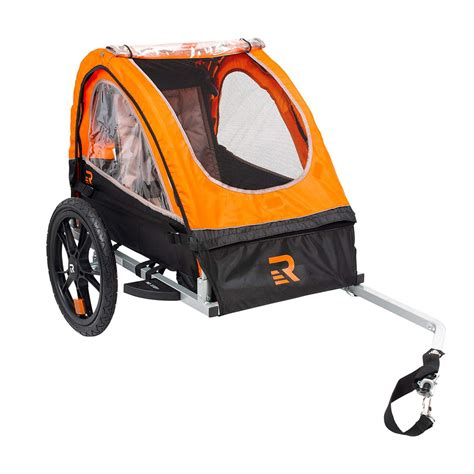
Building the 200 watt Solar Bike Trailer.

  The Solar Bike Trailer Link to the Big Google Doc: https://docs.google.com/document/d/11KIzcut1K6K_E2t0LbvgSbFuEbDXuiRDH8tEb8u1yUo/edit?us...